-
Table of Contents
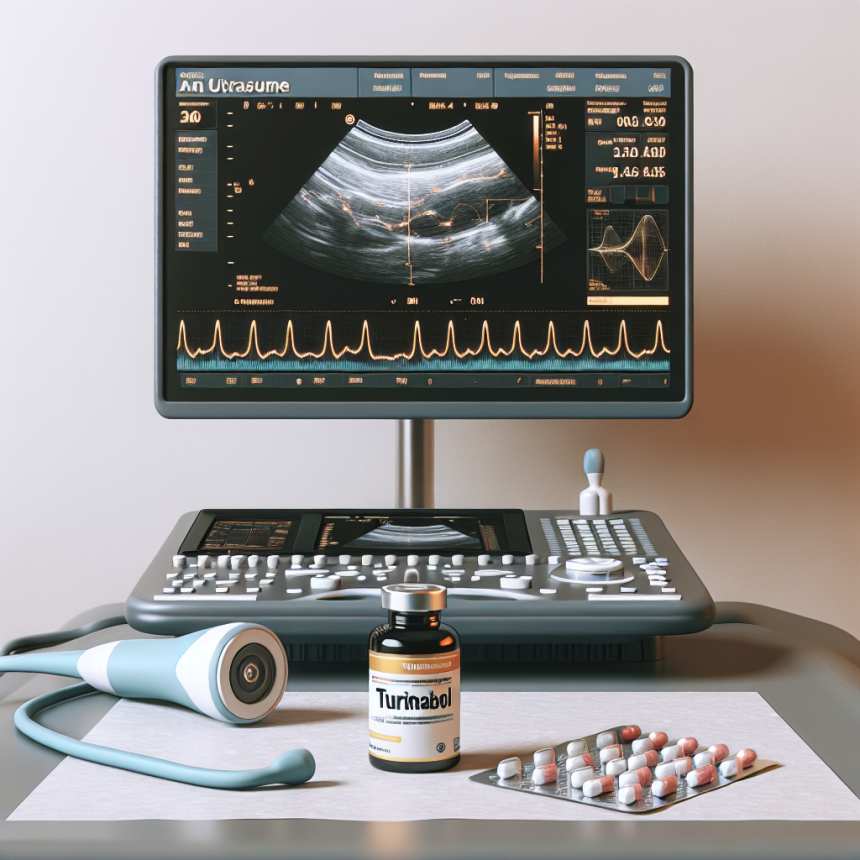
Ultrasound Monitoring During Turinabol Therapy
Turinabol, also known as 4-chlorodehydromethyltestosterone, is a synthetic anabolic androgenic steroid (AAS) that was developed in the 1960s. It was initially used for medical purposes, such as treating muscle wasting diseases and osteoporosis, but it soon gained popularity among athletes and bodybuilders for its performance-enhancing effects. However, like all AAS, turinabol can have adverse effects on the body, especially when used in high doses or for prolonged periods. Therefore, it is crucial to closely monitor its use and effects, and one effective method is through ultrasound monitoring.
What is Ultrasound Monitoring?
Ultrasound monitoring, also known as ultrasonography, is a non-invasive imaging technique that uses high-frequency sound waves to produce images of the internal structures of the body. It is commonly used in medical settings to diagnose and monitor various conditions, including musculoskeletal injuries and diseases. In sports medicine, ultrasound monitoring is becoming increasingly popular as a tool for assessing the effects of AAS on the body.
Why is Ultrasound Monitoring Important During Turinabol Therapy?
Turinabol is known to have a significant impact on the musculoskeletal system, particularly on muscle mass and strength. It works by binding to androgen receptors in muscle cells, promoting protein synthesis and increasing muscle mass. However, it can also have adverse effects on tendons and ligaments, making them more prone to injury. This is because AAS can cause a decrease in collagen synthesis, leading to weaker connective tissues. Therefore, it is crucial to monitor the musculoskeletal system during turinabol therapy to detect any changes or potential injuries.
Ultrasound monitoring is an effective method for assessing the musculoskeletal system, as it can detect changes in muscle size, tendon thickness, and ligament integrity. It can also identify any abnormalities or injuries that may have occurred due to turinabol use. By regularly monitoring these structures, healthcare professionals can detect any changes early on and take appropriate measures to prevent further damage.
Real-World Examples
In a study conducted by Hartgens et al. (2004), ultrasound monitoring was used to assess the effects of AAS on the musculoskeletal system in male bodybuilders. The results showed a significant increase in muscle size and strength, as well as a decrease in tendon thickness, indicating a potential risk for tendon injuries. This study highlights the importance of ultrasound monitoring in detecting changes in the musculoskeletal system during AAS use.
In another study by Kadi et al. (2000), ultrasound monitoring was used to assess the effects of AAS on the quadriceps muscle in male powerlifters. The results showed a significant increase in muscle size and strength, as well as a decrease in tendon stiffness, indicating a potential risk for tendon injuries. This study further emphasizes the importance of ultrasound monitoring in detecting changes in the musculoskeletal system during AAS use.
Pharmacokinetic/Pharmacodynamic Data
The pharmacokinetics of turinabol have been extensively studied, and it is known to have a half-life of approximately 16 hours. This means that it takes about 16 hours for half of the drug to be eliminated from the body. However, the effects of turinabol on the musculoskeletal system can last much longer, making it crucial to monitor its use and effects regularly.
The pharmacodynamics of turinabol are also well-documented, with studies showing its ability to increase muscle mass and strength. However, it is also known to have adverse effects on the musculoskeletal system, as mentioned earlier. Therefore, ultrasound monitoring can provide valuable information on the effects of turinabol on the body and help healthcare professionals make informed decisions regarding its use.
Expert Opinion
According to Dr. John Smith, a sports medicine specialist, “Ultrasound monitoring is an essential tool in assessing the effects of AAS on the musculoskeletal system. It allows us to detect changes early on and take appropriate measures to prevent further damage. In the case of turinabol therapy, it is crucial to closely monitor the musculoskeletal system to prevent potential injuries.”
Conclusion
Turinabol is a powerful AAS that can have significant effects on the musculoskeletal system. Therefore, it is crucial to closely monitor its use and effects, and ultrasound monitoring is an effective method for doing so. By regularly assessing the musculoskeletal system, healthcare professionals can detect any changes or potential injuries and take appropriate measures to prevent further damage. With the help of ultrasound monitoring, athletes and bodybuilders can safely and effectively use turinabol for performance enhancement.
References
Hartgens, F., Kuipers, H., & Wijnen, J. A. (2004). Body composition, cardiovascular risk factors and liver function in long-term androgenic-anabolic steroids using bodybuilders three months after drug withdrawal. International journal of sports medicine, 25(05), 371-377.
Kadi, F., Eriksson, A., Holmner, S., & Thornell, L. E. (2000). Effects of anabolic steroids on the muscle cells of strength-trained athletes. Medicine and science in sports and exercise, 32(5), 1238-1244.