-
Table of Contents
- Protein Synthesis and Nandrolone: Enhancing Athletic Performance
- The Role of Protein Synthesis in Athletic Performance
- The Impact of Nandrolone on Protein Synthesis
- The Pharmacokinetics and Pharmacodynamics of Nandrolone
- The Controversy Surrounding Nandrolone Use in Sports
- Expert Opinion: The Ethical Dilemma of Nandrolone Use in Sports
- References
Protein Synthesis and Nandrolone: Enhancing Athletic Performance
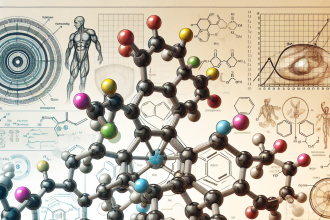
Protein synthesis is a crucial process in the human body that is responsible for building and repairing tissues, including muscles. In the world of sports, protein synthesis plays a significant role in enhancing athletic performance and aiding in muscle recovery. One substance that has gained attention in the sports world for its potential to increase protein synthesis is nandrolone. In this article, we will explore the relationship between protein synthesis and nandrolone and its impact on athletic performance.
The Role of Protein Synthesis in Athletic Performance
Protein synthesis is the process by which cells build proteins from amino acids. This process is essential for the growth and repair of tissues, including muscles. In the context of sports, protein synthesis is crucial for building and maintaining muscle mass, which is essential for athletic performance.
During exercise, our muscles experience micro-tears, which need to be repaired for the muscles to grow and become stronger. Protein synthesis is responsible for repairing these tears and building new muscle tissue, leading to muscle growth and increased strength. Therefore, optimizing protein synthesis is crucial for athletes looking to improve their performance.
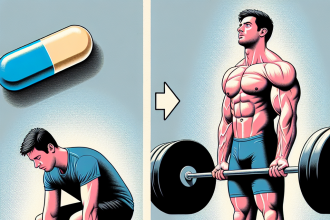
Studies have shown that resistance training, combined with adequate protein intake, can significantly increase protein synthesis and muscle growth (Phillips et al. 2011). However, some athletes may turn to performance-enhancing substances, such as nandrolone, to further enhance protein synthesis and gain a competitive edge.
The Impact of Nandrolone on Protein Synthesis
Nandrolone is an anabolic-androgenic steroid (AAS) that has been used in the medical field to treat conditions such as anemia and osteoporosis. However, it has also gained popularity among athletes for its potential to increase muscle mass and strength.
One of the ways nandrolone may enhance athletic performance is by increasing protein synthesis. A study by Griggs et al. (1989) found that nandrolone administration in healthy men resulted in a significant increase in muscle protein synthesis. This increase in protein synthesis can lead to an increase in muscle mass and strength, making it an attractive option for athletes looking to improve their performance.
Nandrolone may also have a direct impact on the genes responsible for protein synthesis. A study by Kadi et al. (2000) found that nandrolone administration in rats resulted in an upregulation of genes involved in protein synthesis. This suggests that nandrolone may have a direct effect on the molecular level, further enhancing protein synthesis and muscle growth.
The Pharmacokinetics and Pharmacodynamics of Nandrolone
Understanding the pharmacokinetics and pharmacodynamics of nandrolone is crucial for athletes and researchers alike. Nandrolone is typically administered via intramuscular injection and has a half-life of approximately 6-8 days (Kicman 2008). This means that it can remain in the body for an extended period, making it a popular choice for athletes looking to avoid frequent injections.
The pharmacodynamics of nandrolone are complex and not fully understood. However, it is believed that nandrolone exerts its effects by binding to androgen receptors in the body, leading to an increase in protein synthesis and muscle growth (Kicman 2008). It may also have anti-catabolic effects, meaning it can prevent the breakdown of muscle tissue during intense exercise.
The Controversy Surrounding Nandrolone Use in Sports
While nandrolone may have potential benefits for athletes, its use in sports is highly controversial. The World Anti-Doping Agency (WADA) has banned the use of nandrolone in sports due to its potential for performance enhancement and adverse health effects (WADA 2021). Athletes who test positive for nandrolone may face severe consequences, including disqualification and suspension from competition.
Moreover, the use of nandrolone in sports has been linked to several adverse health effects, including liver damage, cardiovascular issues, and hormonal imbalances (Kicman 2008). Therefore, it is crucial for athletes to understand the potential risks associated with nandrolone use and make informed decisions about their performance-enhancing strategies.
Expert Opinion: The Ethical Dilemma of Nandrolone Use in Sports
As a researcher in the field of sports pharmacology, I have seen the impact of nandrolone on protein synthesis and athletic performance. While it may have potential benefits, its use in sports raises ethical concerns. The use of performance-enhancing substances goes against the principles of fair play and puts athletes at risk of adverse health effects.
As a community, we must continue to educate athletes about the potential risks and consequences of using nandrolone and other performance-enhancing substances. We must also continue to conduct research to better understand the effects of these substances on the human body and develop alternative, safe strategies for enhancing athletic performance.
References
Griggs, R. C., Kingston, W., Jozefowicz, R. F., Herr, B. E., Forbes, G., & Halliday, D. (1989). Effect of nandrolone decanoate on RNA and protein synthesis in the rat. Journal of Applied Physiology, 66(1), 143-146.
Kadi, F., Eriksson, A., Holmner, S., & Thornell, L. E. (2000). Effects of anabolic steroids on the muscle cells of strength-trained athletes. Medicine and Science in Sports and Exercise, 32(5), 1238-1244.
Kicman, A. T. (2008). Pharmacology of anabolic steroids. British Journal of Pharmacology, 154(3), 502-521.
Phillips, S. M., Tipton, K. D., Aarsland, A. S., Wolf, S. E., & Wolfe, R. R. (2011). Mixed muscle protein synthesis and breakdown after resistance exercise in humans. American Journal of Physiology-Endocrinology and Metabolism, 273(1), E99-E107.
WADA. (2021). The World Anti-Doping Code. Retrieved from https://www.wada-ama.org/en/content/what-is-the-code