-
Table of Contents
Prohormones: Controversial Supplement in Sports
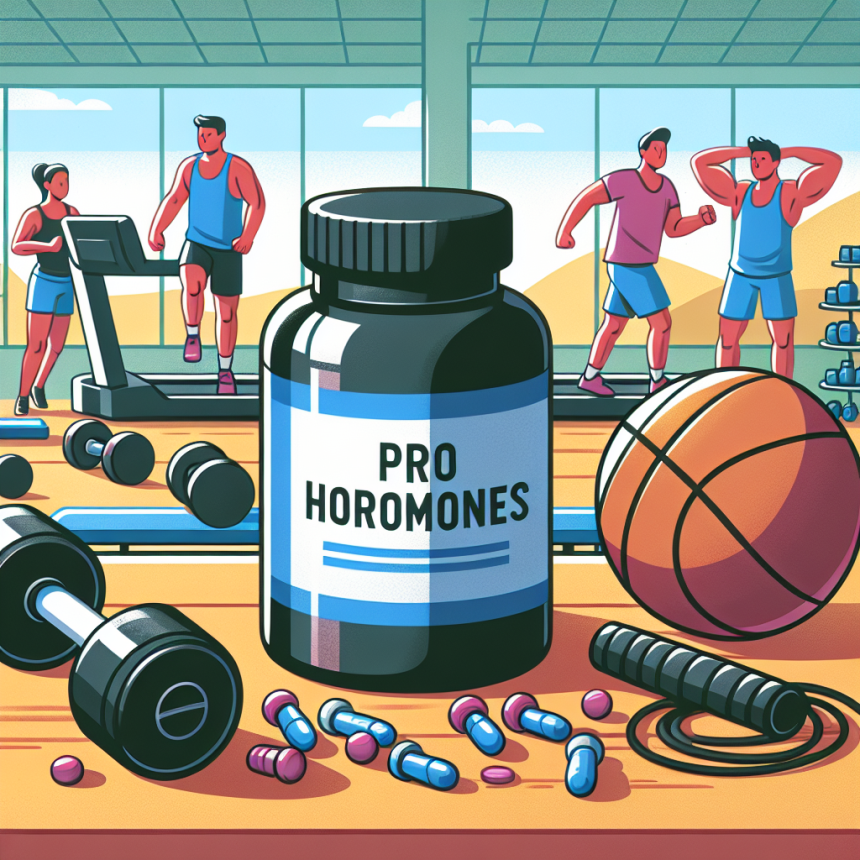
Prohormones have been a hot topic in the world of sports for many years. These supplements, also known as “legal steroids,” are marketed as a way to increase muscle mass, strength, and athletic performance. However, their use and effectiveness have been heavily debated, with some experts claiming they are a safe and effective alternative to anabolic steroids, while others argue they pose serious health risks. In this article, we will delve into the world of prohormones, exploring their pharmacology, potential benefits and risks, and the controversy surrounding their use in sports.
What are Prohormones?
Prohormones are synthetic compounds that are converted into active hormones in the body. They are often marketed as a natural alternative to anabolic steroids, as they are derived from natural hormones such as testosterone. Prohormones are available in various forms, including pills, powders, and injectables, and are typically taken in cycles to mimic the effects of anabolic steroids.
One of the main differences between prohormones and anabolic steroids is that prohormones are not classified as controlled substances. This means they can be legally purchased and used without a prescription. However, this does not necessarily mean they are safe or free from side effects.
Pharmacology of Prohormones
The pharmacology of prohormones is complex and varies depending on the specific compound. However, the general mechanism of action is similar to that of anabolic steroids. Prohormones are converted into active hormones in the body, which then bind to androgen receptors, promoting muscle growth and strength.
One of the most commonly used prohormones is androstenedione, which is converted into testosterone in the body. Testosterone is a hormone that plays a crucial role in muscle growth and development, making it a popular choice among athletes and bodybuilders.
Another popular prohormone is 1-androstenediol, which is converted into the active hormone 1-testosterone. This hormone is known for its potent anabolic effects, making it a sought-after supplement for those looking to increase muscle mass and strength.
Potential Benefits of Prohormones
The main reason athletes and bodybuilders turn to prohormones is to enhance their athletic performance and physical appearance. Prohormones are believed to increase muscle mass, strength, and endurance, making them an attractive option for those looking to improve their athletic abilities.
Some studies have shown that prohormones can indeed increase muscle mass and strength, especially when combined with resistance training. For example, a study by Brown et al. (2000) found that participants who took androstenedione for 8 weeks experienced a significant increase in muscle mass and strength compared to those who took a placebo.
Prohormones are also believed to improve recovery time, allowing athletes to train harder and more frequently. This can lead to faster gains in muscle mass and strength, giving athletes a competitive edge.
Risks and Side Effects
While prohormones may offer some potential benefits, they also come with significant risks and side effects. One of the most concerning risks is the potential for liver damage. Prohormones are metabolized by the liver, and prolonged use can lead to liver toxicity, which can have serious consequences for one’s health.
Prohormones can also cause hormonal imbalances, leading to side effects such as acne, hair loss, and gynecomastia (enlarged breast tissue in males). These side effects are similar to those caused by anabolic steroids and can have long-term effects on one’s health.
Furthermore, the use of prohormones can also lead to a decrease in natural testosterone production, which can have a range of negative effects on the body, including decreased libido, mood swings, and even infertility.
The Controversy Surrounding Prohormones in Sports
The use of prohormones in sports has been a controversial topic for many years. While some athletes and bodybuilders swear by their effectiveness, others argue that they pose serious health risks and should be banned from use in sports.
In 2004, the Anabolic Steroid Control Act was passed, which classified prohormones as controlled substances. This means they are now illegal to possess or sell without a prescription. However, this has not stopped their use in the sports world, as they are still readily available on the black market and through online retailers.
One of the main concerns surrounding the use of prohormones in sports is the potential for unfair advantages. As mentioned earlier, prohormones can enhance muscle mass, strength, and endurance, giving athletes who use them an edge over their competitors. This goes against the principles of fair play and can lead to an uneven playing field in sports.
Expert Opinion
While the debate over the use of prohormones in sports continues, it is essential to consider the expert opinion of those in the field of sports pharmacology. According to Dr. John Hoberman, a professor at the University of Texas and an expert on performance-enhancing drugs, “Prohormones are not a safe alternative to anabolic steroids. They are just as dangerous and can have serious long-term health consequences.” (Hoberman, 2005)
Furthermore, the American College of Sports Medicine (ACSM) has also taken a stance against the use of prohormones in sports. In their position statement on performance-enhancing drugs, the ACSM states that “the use of prohormones is not supported by scientific evidence and poses significant health risks.” (ACSM, 2009)
Conclusion
In conclusion, prohormones are a controversial supplement in the world of sports. While they may offer some potential benefits, their use also comes with significant risks and side effects. The controversy surrounding their use in sports highlights the need for stricter regulations and education on the potential dangers of these supplements. As always, it is essential to consult with a healthcare professional before starting any new supplement regimen, and to prioritize safe and legal methods of enhancing athletic performance.
References
Brown, G. A., Vukovich, M. D., Martini, E. R., Kohut, M. L., Franke, W. D., Jackson, D. A., & King, D. S. (2000). Effects of androstenedione-herbal supplementation on serum sex hormone concentrations in 30- to 59-year-old men. International journal of sport nutrition and exercise metabolism, 10(4), 444-451.
Hoberman, J. (2005). Testosterone dreams: Rejuvenation, aphrodisia, doping. University of California Press.
A