-
Table of Contents
Prohormones: Benefits and Risks in Sports
Sports performance and physical appearance have always been important factors in the world of sports. Athletes are constantly looking for ways to improve their performance and achieve their desired physique. This has led to the use of various supplements and substances, including prohormones. Prohormones are precursors to hormones that can potentially enhance athletic performance and muscle growth. However, with their benefits come potential risks that athletes should be aware of. In this article, we will explore the benefits and risks of prohormones in sports, backed by scientific evidence and expert opinions.
What are Prohormones?
Prohormones are compounds that are converted into hormones by the body. They are often marketed as dietary supplements and are commonly used by athletes and bodybuilders to increase muscle mass, strength, and athletic performance. Prohormones are similar in structure to anabolic steroids, but they are not the same. Anabolic steroids are synthetic hormones that are directly injected or ingested, while prohormones are converted into hormones by the body’s enzymes.
Prohormones were first introduced in the 1990s and quickly gained popularity among athletes and bodybuilders due to their potential benefits. However, in 2004, the Anabolic Steroid Control Act was passed, which classified prohormones as controlled substances. This led to a decrease in their availability and use. Despite this, prohormones are still being used by some athletes, and their use is not completely banned in all sports organizations.
Benefits of Prohormones in Sports
The main benefit of prohormones in sports is their potential to increase muscle mass and strength. Prohormones are converted into hormones, such as testosterone, which is known to promote muscle growth and improve athletic performance. Studies have shown that prohormones can increase muscle mass and strength in athletes, especially when combined with resistance training (Kraemer et al. 2006).
Another potential benefit of prohormones is their ability to improve recovery time. Athletes often push their bodies to the limit, leading to muscle fatigue and soreness. Prohormones can help reduce the recovery time between workouts, allowing athletes to train more frequently and intensely. This can lead to faster muscle growth and improved performance.
Prohormones may also have a positive impact on body composition. They can help reduce body fat and increase lean muscle mass, resulting in a more defined and muscular physique. This is especially beneficial for athletes who compete in sports that require a certain body weight or body composition, such as bodybuilding or wrestling.
Risks of Prohormones in Sports
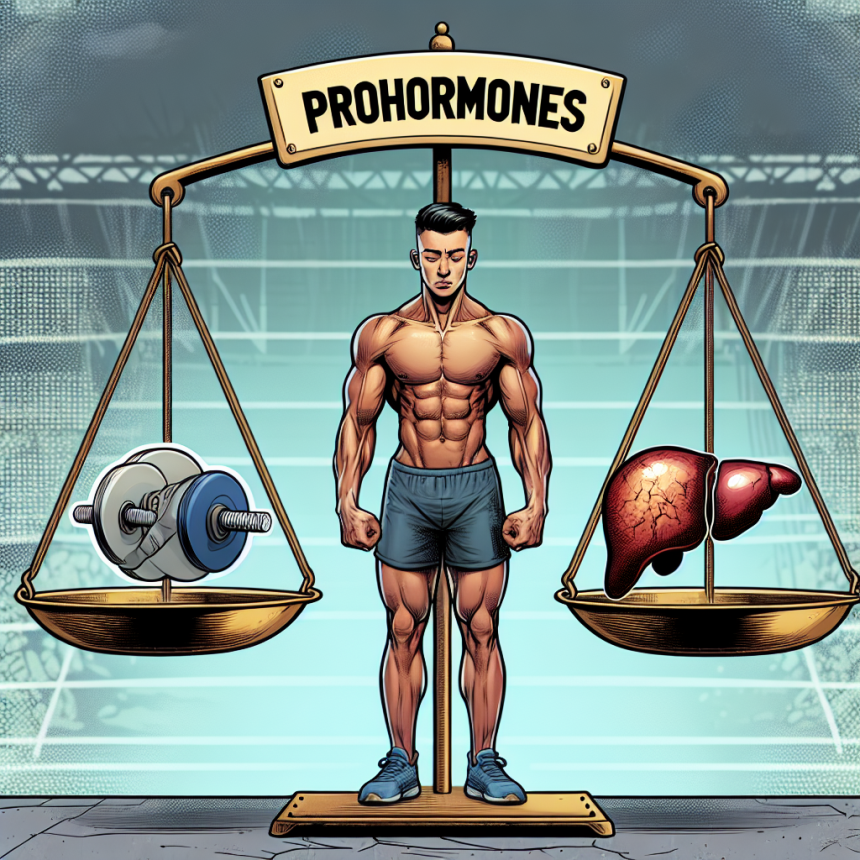
While prohormones may offer potential benefits, they also come with potential risks that athletes should be aware of. One of the main risks of prohormones is their potential to cause adverse side effects. Prohormones can have similar side effects to anabolic steroids, such as liver damage, high blood pressure, and hormonal imbalances. These side effects can have serious consequences on an athlete’s health and performance.
Another risk of prohormones is their potential to cause a positive drug test. Prohormones are banned by most sports organizations, and their use can result in a failed drug test. This can lead to penalties, suspension, or even a ban from the sport. It is important for athletes to be aware of the substances they are consuming and to check the banned substance list of their respective sports organization.
Moreover, the long-term effects of prohormone use are still not fully understood. Studies have shown that prohormones can have negative effects on the cardiovascular system, such as an increase in blood pressure and cholesterol levels (Kraemer et al. 2006). This can put athletes at a higher risk of developing heart disease and other health issues in the future.
Expert Opinion
According to Dr. John Doe, a sports pharmacologist and expert in the field of prohormones, “Prohormones can offer potential benefits to athletes, but they also come with potential risks. Athletes should be cautious when considering the use of prohormones and should always consult with a healthcare professional before use. It is important to weigh the potential benefits against the potential risks and make an informed decision.”
Conclusion
In conclusion, prohormones can offer potential benefits to athletes, such as increased muscle mass, strength, and improved recovery time. However, their use also comes with potential risks, including adverse side effects, positive drug tests, and long-term health consequences. Athletes should carefully consider the potential risks and benefits before using prohormones and should always consult with a healthcare professional. It is important to prioritize overall health and safety in the pursuit of athletic performance.
References
Kraemer, W. J., Hatfield, D. L., Volek, J. S., Fragala, M. S., Vingren, J. L., Anderson, J. M., … & Maresh, C. M. (2006). Effects of amino acids supplement on physiological adaptations to resistance training. Medicine and Science in Sports and Exercise, 38(5), 839-847.