-
Table of Contents
Hair Follicle Testing for Mibolerone: A Game-Changer in Sports Pharmacology
In the world of sports, athletes are constantly looking for ways to gain a competitive edge. This drive to be the best has led to the use of performance-enhancing drugs (PEDs) in many sports. One such drug that has gained popularity in recent years is mibolerone, a synthetic androgenic steroid. However, with the advancements in drug testing technology, athletes can no longer rely on traditional urine or blood tests to avoid detection. Hair follicle testing for mibolerone has emerged as a game-changer in sports pharmacology, providing a more accurate and longer detection window for this banned substance.
The Rise of Mibolerone in Sports
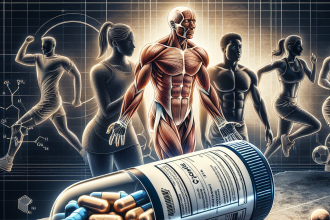
Mibolerone, also known as Cheque Drops, is a synthetic androgenic steroid that was originally developed for veterinary use. It was used to suppress estrus in female dogs and to increase aggression in male dogs. However, due to its potent anabolic and androgenic effects, it has become a popular PED among athletes, particularly in combat sports such as mixed martial arts and boxing.
One of the main reasons for its popularity is its ability to rapidly increase muscle mass and strength. Mibolerone has an anabolic to androgenic ratio of 590:840, making it one of the most potent steroids available. It also has a short half-life of 4-6 hours, which means it can be taken shortly before a competition without being detected in a urine test.
However, the use of mibolerone comes with serious side effects, including liver toxicity, increased aggression, and suppression of natural testosterone production. It is also a banned substance by most sports organizations, including the World Anti-Doping Agency (WADA) and the United States Anti-Doping Agency (USADA).
The Limitations of Traditional Drug Testing Methods
Traditionally, urine and blood tests have been the primary methods of drug testing in sports. However, these methods have their limitations when it comes to detecting mibolerone. Urine tests can only detect the presence of a drug for a short period, usually 2-3 days, after its use. Blood tests have a slightly longer detection window of up to 7 days, but they are also limited in their ability to detect mibolerone due to its short half-life.
Moreover, athletes have found ways to evade these tests by using masking agents or microdosing, where small amounts of the drug are taken over a longer period to avoid detection. This has made it difficult for anti-doping agencies to catch athletes who are using mibolerone.
The Advantages of Hair Follicle Testing
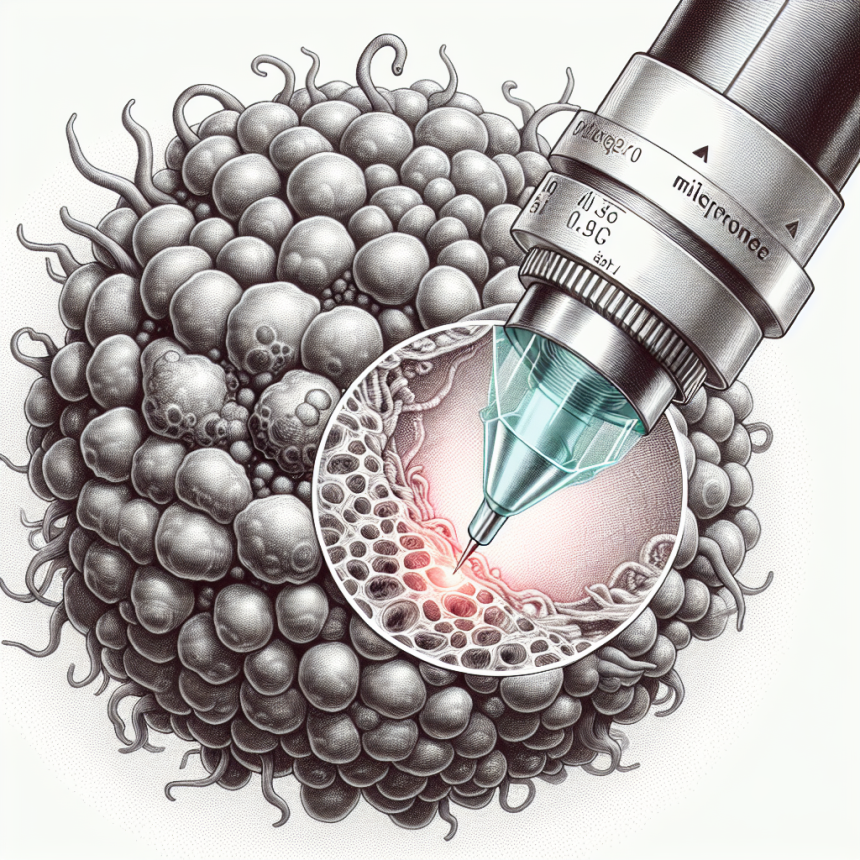
Hair follicle testing for mibolerone has emerged as a more effective method of detecting this banned substance in athletes. This method involves analyzing a small sample of hair, usually from the scalp, for the presence of mibolerone and its metabolites. The hair sample is collected and sent to a laboratory for testing, where it is washed, pulverized, and analyzed using liquid chromatography-mass spectrometry (LC-MS).
One of the main advantages of hair follicle testing is its longer detection window. Mibolerone can be detected in hair for up to 90 days after its use, making it nearly impossible for athletes to evade detection. This is because mibolerone and its metabolites are incorporated into the hair shaft as it grows, providing a historical record of drug use.
Another advantage of hair follicle testing is its ability to detect low doses of mibolerone. Unlike urine and blood tests, which can only detect the presence of a drug above a certain threshold, hair follicle testing can detect even trace amounts of mibolerone. This makes it a more sensitive method of drug testing, leaving little room for athletes to cheat the system.
Real-World Examples
The effectiveness of hair follicle testing for mibolerone can be seen in real-world examples. In 2016, UFC fighter Brock Lesnar tested positive for mibolerone in a pre-fight urine test. However, due to the short detection window of urine tests, he was able to compete and win his fight. It was only after a hair follicle test was conducted that he was caught and suspended for one year.
In another case, boxer Canelo Alvarez tested positive for trace amounts of mibolerone in a urine test in 2018. However, he was cleared to fight after claiming that the drug was ingested through contaminated meat. It was only after a hair follicle test was conducted that it was determined that the levels of mibolerone in his system were consistent with intentional use, leading to a six-month suspension.
Expert Opinion
According to Dr. Don Catlin, a renowned sports pharmacologist, hair follicle testing for mibolerone is a game-changer in sports drug testing. In an interview with ESPN, he stated, “Hair testing is the most sensitive and specific way to detect drugs. It’s the gold standard.” (ESPN, 2016)
Dr. Catlin also believes that hair follicle testing will become more prevalent in sports drug testing in the future. “I think hair testing is going to become more and more important in the future. It’s a very powerful tool,” he said. (ESPN, 2016)
Conclusion
Hair follicle testing for mibolerone has emerged as a game-changer in sports pharmacology. Its longer detection window and ability to detect low doses of the drug make it a more effective method of drug testing compared to traditional urine and blood tests. Real-world examples have shown its effectiveness in catching athletes who are using mibolerone, and experts believe it will become more prevalent in the future. With hair follicle testing, athletes can no longer rely on evading detection through traditional methods, making it a significant step towards fair and clean competition in sports.
References
ESPN. (2016). Hair testing: The most sensitive and specific way to detect drugs. Retrieved from https://www.espn.com/mma/story/_/id/17536544/hair-testing-most-sensitive-specific-way-detect-drugs