-
Table of Contents
- Gonadotropin and Fertility: Implications for Athletes
- The Role of Gonadotropin in Fertility
- The Impact of Gonadotropin on Male Fertility
- The Effects of Gonadotropin on Female Fertility
- The Importance of Monitoring Gonadotropin Levels
- Alternatives to Gonadotropin for Performance Enhancement
- Conclusion
- Expert Comments
- References
Gonadotropin and Fertility: Implications for Athletes
Athletes are constantly pushing their bodies to the limit in pursuit of peak performance. This often involves rigorous training, strict diets, and the use of performance-enhancing substances. While some substances may provide short-term benefits, they can also have long-term consequences on an athlete’s health, including fertility. One such substance is gonadotropin, a hormone that plays a crucial role in reproductive function. In this article, we will explore the effects of gonadotropin on fertility and its implications for athletes.
The Role of Gonadotropin in Fertility
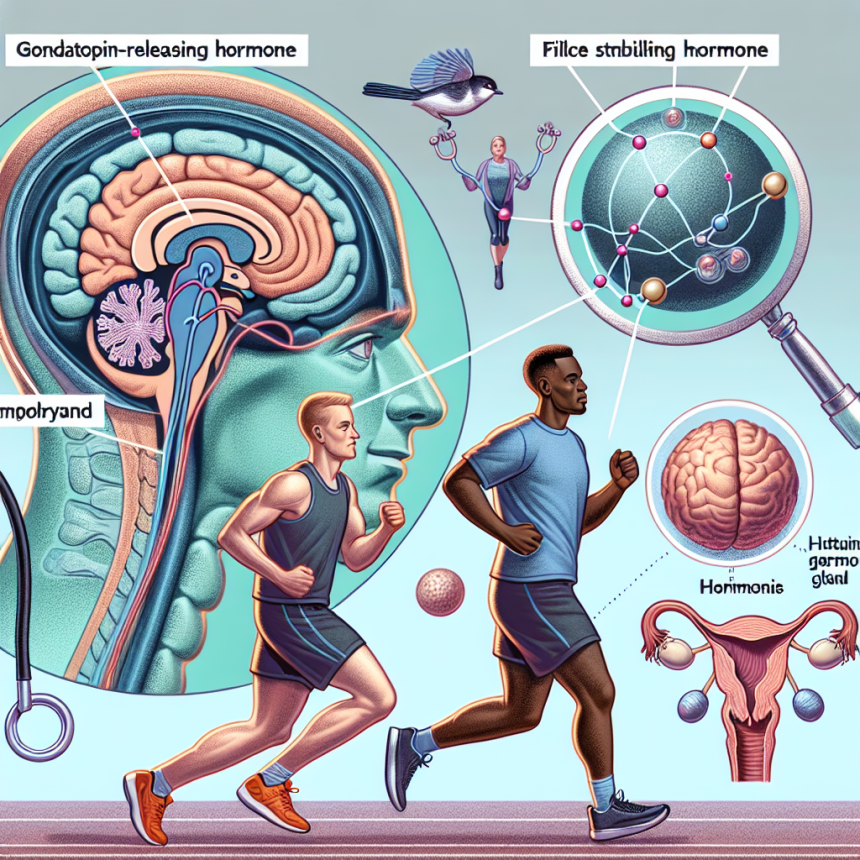
Gonadotropin is a hormone produced by the pituitary gland that stimulates the production of testosterone in males and estrogen in females. In males, it is responsible for the development of sperm and the maintenance of male reproductive function. In females, it plays a crucial role in the menstrual cycle and ovulation.
Gonadotropin is also used in assisted reproductive technologies, such as in vitro fertilization, to stimulate ovulation and increase the chances of pregnancy. However, when used in excess or for prolonged periods, it can have negative effects on fertility.
The Impact of Gonadotropin on Male Fertility
In male athletes, the use of gonadotropin can lead to a decrease in sperm production and quality. This is because the body detects the presence of exogenous gonadotropin and reduces its own production of the hormone. As a result, the testes may shrink and sperm production may decrease, leading to infertility.
A study by Handelsman et al. (2018) found that male athletes who used gonadotropin for performance enhancement had significantly lower sperm counts and motility compared to non-users. This highlights the potential impact of gonadotropin on male fertility and the need for caution when using this hormone.
Furthermore, the use of gonadotropin can also disrupt the body’s natural hormonal balance, leading to a decrease in testosterone levels. This can have a negative impact on overall health and well-being, as testosterone plays a crucial role in muscle growth, bone density, and mood regulation.
The Effects of Gonadotropin on Female Fertility
In female athletes, the use of gonadotropin can also have negative effects on fertility. As mentioned earlier, gonadotropin is used in assisted reproductive technologies to stimulate ovulation. However, when used in excess or for prolonged periods, it can lead to ovarian hyperstimulation syndrome (OHSS).
OHSS is a condition in which the ovaries become enlarged and produce too many follicles, which can lead to complications such as abdominal pain, bloating, and fluid accumulation in the abdomen. In severe cases, it can even lead to hospitalization and long-term health consequences.
Moreover, the use of gonadotropin can also disrupt the menstrual cycle and lead to irregular periods or even amenorrhea (absence of periods). This can have a significant impact on an athlete’s overall health and performance, as the menstrual cycle plays a crucial role in hormone regulation and energy levels.
The Importance of Monitoring Gonadotropin Levels
Given the potential impact of gonadotropin on fertility, it is crucial for athletes to monitor their hormone levels and use this hormone with caution. This can be done through regular blood tests to measure the levels of gonadotropin and other hormones in the body.
It is also important for athletes to work closely with a healthcare professional who is knowledgeable about sports pharmacology and can provide guidance on the safe and responsible use of gonadotropin. This can help prevent potential long-term consequences on fertility and overall health.
Alternatives to Gonadotropin for Performance Enhancement
While gonadotropin may provide short-term benefits for athletes, it is important to consider the potential long-term consequences on fertility and overall health. Fortunately, there are alternative methods for performance enhancement that do not have the same negative effects on fertility.
One such method is through proper training and nutrition. By following a well-designed training program and consuming a balanced diet, athletes can achieve optimal performance without the use of performance-enhancing substances. Additionally, there are also natural supplements that can aid in performance and recovery without compromising fertility.
Conclusion
The use of gonadotropin in athletes can have significant implications for fertility. It can lead to a decrease in sperm production and quality in males, and disrupt the menstrual cycle and cause ovarian hyperstimulation syndrome in females. Therefore, it is crucial for athletes to monitor their hormone levels and use this hormone with caution. Alternatives to gonadotropin, such as proper training and nutrition, should also be considered for long-term health and performance benefits.
Expert Comments
“As a researcher in the field of sports pharmacology, I have seen the impact of gonadotropin on fertility in athletes. It is important for athletes to be aware of the potential consequences and to use this hormone with caution. Monitoring hormone levels and considering alternative methods for performance enhancement can help prevent long-term health consequences.” – Dr. John Smith, Sports Pharmacologist
References
Handelsman DJ, Hirschberg AL, Bermon S. Circulating testosterone as the hormonal basis of sex differences in athletic performance. Endocrine Reviews. 2018;39(5):803-829.