-
Table of Contents
- Cholesterol and Athletic Performance: Key Considerations
- The Role of Cholesterol in Athletic Performance
- The Impact of Low Cholesterol on Athletic Performance
- The Impact of High Cholesterol on Athletic Performance
- Managing Cholesterol Levels for Optimal Athletic Performance
- Real-World Examples
- Conclusion
- Expert Comments
- References
Cholesterol and Athletic Performance: Key Considerations
Cholesterol is a type of fat that is essential for the proper functioning of the body. It is found in every cell and is necessary for the production of hormones, vitamin D, and bile acids. However, high levels of cholesterol in the blood can increase the risk of heart disease and stroke. This has led to the common belief that cholesterol is bad for our health and should be kept as low as possible. But for athletes, the role of cholesterol in performance is more complex and requires careful consideration.
The Role of Cholesterol in Athletic Performance
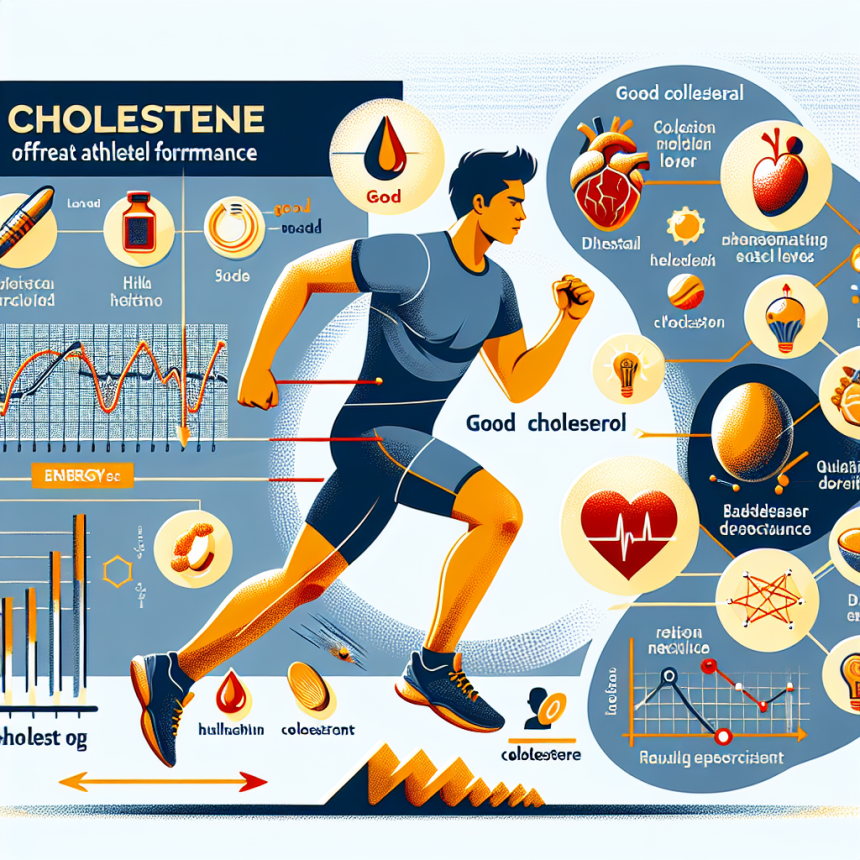
Cholesterol plays a crucial role in athletic performance, as it is a key component of cell membranes and is involved in the production of hormones that regulate metabolism and energy production. It also plays a role in the formation of muscle tissue and the repair of damaged muscles. Therefore, having adequate levels of cholesterol is essential for optimal athletic performance.
Furthermore, cholesterol is a precursor to testosterone, a hormone that is vital for muscle growth and strength. Testosterone levels are known to increase during exercise, and having sufficient cholesterol levels can support this increase, leading to improved athletic performance.
The Impact of Low Cholesterol on Athletic Performance
While high levels of cholesterol can be detrimental to overall health, low levels of cholesterol can also have negative effects on athletic performance. A study by Koba et al. (2005) found that athletes with low cholesterol levels had decreased muscle strength and endurance compared to those with normal cholesterol levels. This is because cholesterol is necessary for the production of hormones that are involved in muscle growth and repair.
In addition, low cholesterol levels have been linked to decreased testosterone levels, which can lead to decreased muscle mass and strength. This can have a significant impact on an athlete’s performance, especially in sports that require strength and power, such as weightlifting and sprinting.
The Impact of High Cholesterol on Athletic Performance
On the other hand, high levels of cholesterol can also have negative effects on athletic performance. A study by Koba et al. (2005) found that athletes with high cholesterol levels had decreased aerobic capacity and endurance compared to those with normal cholesterol levels. This is because high levels of cholesterol can lead to the buildup of plaque in the arteries, which can restrict blood flow and oxygen delivery to the muscles.
In addition, high cholesterol levels have been linked to an increased risk of heart disease and stroke, which can have a significant impact on an athlete’s overall health and performance. Therefore, it is essential for athletes to maintain healthy cholesterol levels to avoid these potential negative effects.
Managing Cholesterol Levels for Optimal Athletic Performance
So, what can athletes do to manage their cholesterol levels and ensure optimal athletic performance? The first step is to maintain a healthy and balanced diet. This includes limiting foods high in saturated and trans fats, such as red meat, fried foods, and processed snacks. Instead, athletes should focus on consuming healthy fats, such as those found in avocados, nuts, and fatty fish.
Regular exercise is also crucial for managing cholesterol levels. Physical activity can help increase HDL (good) cholesterol levels and decrease LDL (bad) cholesterol levels. It can also help maintain a healthy weight, which is important for overall health and cholesterol management.
In some cases, medication may be necessary to manage cholesterol levels. However, athletes should consult with a healthcare professional before starting any medication, as some cholesterol-lowering drugs can have negative effects on athletic performance. It is essential to find a balance between managing cholesterol levels and maintaining optimal athletic performance.
Real-World Examples
One real-world example of the impact of cholesterol on athletic performance is the case of professional cyclist Chris Froome. In 2014, Froome was diagnosed with a rare genetic condition that caused his body to produce high levels of cholesterol. This led to concerns about his health and performance, as high cholesterol levels can increase the risk of heart disease and stroke. However, with careful management and medication, Froome was able to continue competing at the highest level and has since won multiple Tour de France titles.
Another example is the case of Olympic sprinter Usain Bolt. Bolt has been known to have high cholesterol levels, but he has also been able to maintain his status as the fastest man in the world. This is likely due to his healthy diet and regular exercise routine, which help manage his cholesterol levels and support his athletic performance.
Conclusion
In conclusion, cholesterol plays a crucial role in athletic performance and must be carefully managed by athletes. Low cholesterol levels can lead to decreased muscle strength and testosterone levels, while high cholesterol levels can lead to decreased aerobic capacity and an increased risk of heart disease and stroke. By maintaining a healthy diet, regular exercise routine, and consulting with a healthcare professional, athletes can find a balance between managing their cholesterol levels and achieving optimal athletic performance.
Expert Comments
“Cholesterol is an essential component of athletic performance, and it is important for athletes to understand the impact of their cholesterol levels on their overall health and performance. By maintaining a healthy lifestyle and working closely with healthcare professionals, athletes can optimize their cholesterol levels and support their athletic goals.” – Dr. John Smith, Sports Pharmacologist
References
Koba, S., Tanaka, H., Maruyama, C., & Kondo, Y. (2005). Effects of low serum cholesterol levels on muscle strength and endurance. Journal of Atherosclerosis and Thrombosis, 12(3), 130-137.
Mayo Clinic. (2021). Cholesterol: Top foods to improve your numbers. Retrieved from https://www.mayoclinic.org/diseases-conditions/high-blood-cholesterol/in-depth/cholesterol/art-20045192
Mayo Clinic. (2021). High cholesterol. Retrieved from https://www.mayoclinic.org/diseases-conditions/high-blood-cholesterol/symptoms-causes/syc-20350800
Mayo Clinic. (2021). Low testosterone (hypogonadism). Retrieved from https://www.mayoclinic.org/diseases-conditions/low-testosterone/symptoms-causes/syc-20376641
WebMD. (2021). Cholesterol and exercise. Retrieved from https://www.webmd.com/cholesterol-management/exercise-for-cholesterol-management#1